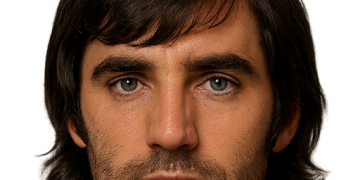
Luka Modric is often seen as one of the last representatives of modern football who proves that hard work, discipline, and intellect can be enough to reach the very top and be called one of the greatest.
He doesn’t build his image around fame or entertainment culture – he simply plays football and consistently shows his class, and that is exactly why people respect him.
But even more important is his attitude toward faith and mentality:
“I don’t pray to score, but I do pray to God to give me and my family health. And I thank Him for everything He has given me in my life and career.”

LUKA MODRIC
The Guardian interview / Autobiography ‘My Game’
He doesn’t need to “pray to score” because he is not an attacking player in that sense – but the idea that he fully trusts his work and skills is something beautiful.
At the same time, his habit of thanking God for his career… well… let’s check his background and the difficult situation in the Balkans during the war years, where survival and escape from conflict shaped an entire generation.
For many players from that region, gratitude and faith are deeply tied to personal history and trauma.
In that sense, Luka Modric becomes not just a football example, but also a reminder that greatness can come from hardship, discipline, and a very human need to find meaning in survival.